Physical Therapy and Rehabilitation
Evidence‑based care to restore movement, reduce pain, and improve function
Physical Therapy Exercise
Physical therapy exercises are a critical part of long‑term recovery. They restore strength, mobility, and movement control. Most of the improvement happens at home, not in the clinic. Our role is to teach the correct movements, ensure proper form, and progress your program as you improve—not to supervise repetitions you can perform independently.
Low‑Tech, High‑Value Rehabilitation
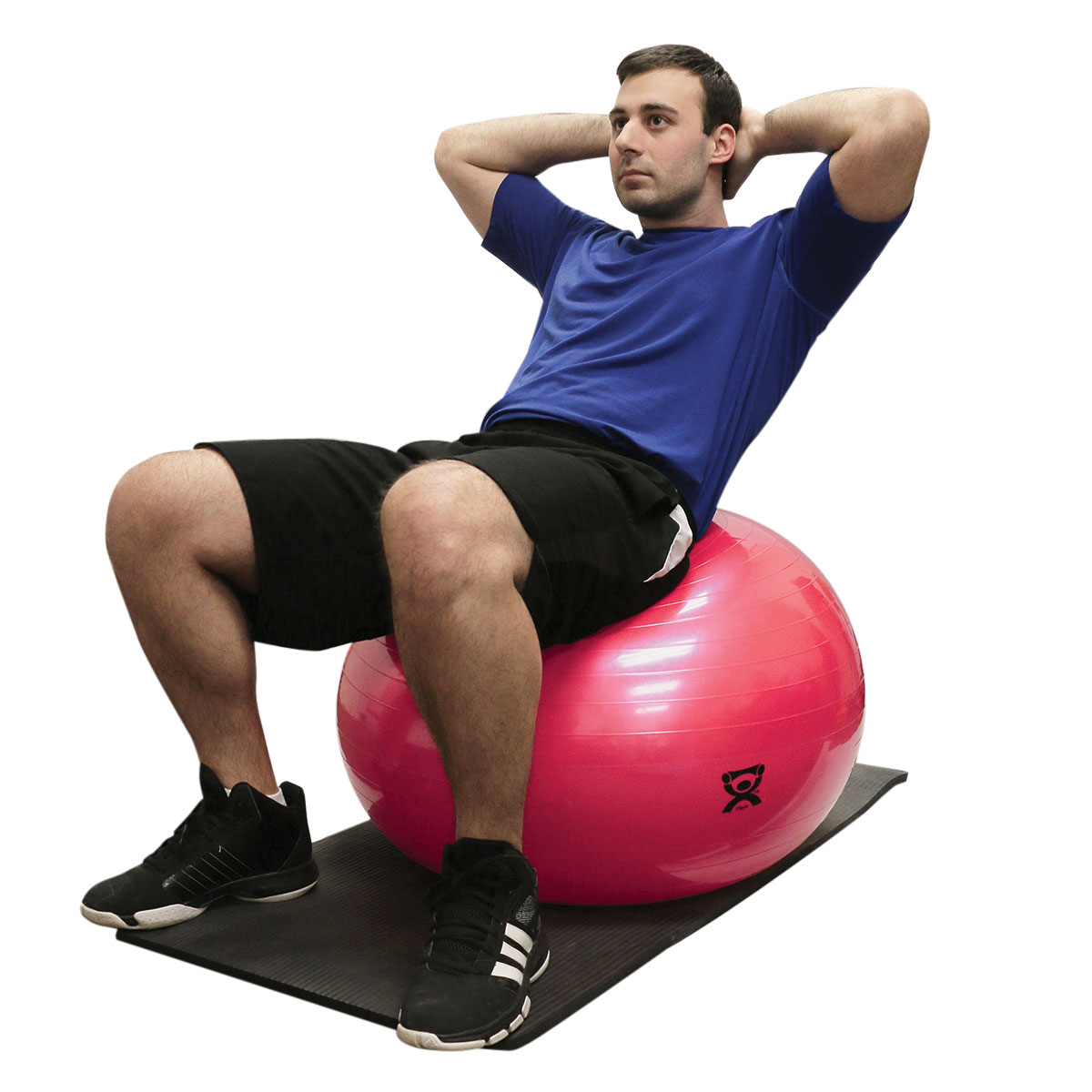
Effective rehabilitation does not require expensive equipment. Most patients do well with 4–5 targeted exercises that take under 10 minutes and require little or no equipment. A resistance band, exercise ball, foam roller, or tennis ball may be helpful but are not always required.
- Need fewer in-office treatments
- Recover faster
- Have a lower rate of reinjury
Our goal is to give you a simple, repeatable plan that fits into your day and produces measurable results.
What Happens in the Clinic
In the clinic, we focus on the treatments you cannot perform on your own:
- Soft‑tissue techniques
- Joint Mobilization
- Modalities such as Laser, Shockwave, or Spinal Decompression
- Movement correction
- Exercise progression and calibration
What Happens at Home
At home, you perform the exercises that reinforce and maintain the progress made in the clinic. This division of labor ensures your time and resources are used efficiently and your recovery stays on track.
An Alternative for Core Strength: HI‑FEM
Some patients prefer not to perform core exercises at home or have difficulty activating the abdominal muscles effectively. For these cases, we offer HI FEM as an efficient, in office alternative.
Thirty minutes per week delivers the equivalent of 5.5 hours of abdominal contractions, without next day soreness. HI FEM provides rapid strength development and supports spinal stability, especially for patients who struggle with traditional core training.