Evidence Based Chiropractic Care
Restoring motion. Reducing inflammation. Helping you move with confidence again.
How Chiropractic Care Works
Chiropractic care improves how joints, muscles, and the nervous system work together. When a joint becomes stiff or restricted, the surrounding tissues can develop irritation, swelling, and changes in muscle tone. Chiropractors have traditionally described this as altered joint alignment; today we understand it through the lens of joint mechanics and neurogenic inflammation. Restoring motion helps normalize sensory input, reduce protective muscle guarding, and improve how the area manages everyday load. These changes make movement feel easier and more comfortable in the activities that matter to you.
Our Approach to Chiropractic Care
Our approach is functional and evidence based. We use joint mobilization and manipulation to improve motion, reduce inflammation, and support better movement patterns. Treatment is integrated with soft tissue work and exercise to reinforce the changes made during the session. Care is always tailored to your comfort level, whether you prefer traditional adjustments or low force instrument based techniques. Your care plan is based on your goals, your condition, and how you want to use chiropractic in your life. Some people come for short term relief, others for functional improvement, and some choose periodic wellness visits. The frequency is always personal and never predetermined.
FAQ
Conditions we treat
Doctors of Chiropractic in Indiana are licensed to evaluate and treat any musculoskeletal condition. In addition to the spine, we also treat the upper and lower extremities.
- Back Pain
- Sacroiliac Joint Dysfunction
- Sciatica
- Herniated Discs
- Neck Pain
- Headaches
- Migraines
- TMJ/TMD
- Pregnancy -Related Back Pain or Pelvic Pain
- Shoulder Pain
- Rotator Cuff Dysfunction
- Tennis Elbow/Golfer’s Elbow
- Carpal Tunnel Syndrome/CTS
- Hip Pain
- Knee Pain
- Ankle Sprains
- Plantar Fasciitis
- Morton’s Neuroma
Techniques Offered
We use several evidence‑based chiropractic techniques and select the method that best matches your condition and comfort level.
Activator Methods
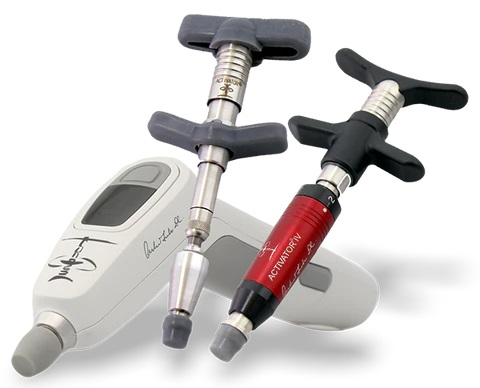
Activator low‑force adjustments are safe, gentle, and precise. A spring‑loaded instrument delivers a quick, controlled impulse to the joint to restore motion and improve alignment. The speed of the instrument allows treatment even in areas with significant muscle spasm. There is no cracking, popping, or manual pressure. Activator can be used on the spine as well as any other joint in the body.
We are the only clinic with Advanced Activator certification from the Illinois border through the Brownsburg area.
Cox Flexion Distraction
Cox Flexion‑Distraction was developed in Fort Wayne, Indiana and is widely used for disc herniations and spinal stenosis. The specialized table gently moves the spine through a controlled, rhythmic stretching motion that you simply can’t achieve with normal stretching. This motion reduces pressure inside the disc and can help draw a bulging disc away from irritated nerves.
Diversified Technique
Diversified Technique is the traditional hands‑on chiropractic adjustment used to improve joint motion and alignment. It involves a quick, precise manual thrust delivered with the chiropractor’s hands. This type of adjustment often produces a brief clicking or popping sound, which comes from a change in pressure inside the joint capsule as the surrounding ligaments are stretched.

Thompson Drop Technique
Thompson Drop Technique uses a spring‑tensioned table that absorbs part of the adjustment force. During the thrust, the section of the table under the patient drops about a half inch, allowing the adjustment to occur with less resistance from the body. The drop mechanism helps deliver a precise, effective adjustment without the twisting or rotation used in some other techniques.
We will discuss which technique is appropriate for your condition and explain what to expect before beginning treatment.