Soft Tissue Manipulation
Hands on treatment that reduces pain, improves mobility, and restores normal movement in irritated muscles and connective tissues.
Soft tissue manipulation targets tight, irritated, or dysfunctional muscles and fascia to reduce pain and restore normal movement. We use it to address the underlying restrictions that limit mobility and contribute to common conditions like tech neck, upper cross syndrome, rotator cuff irritation, and lumbar strain. Most chiropractors do a phenomenal job at mobilization of the spinal joints. The bones, hard tissue, is adequately treated. In our Pittsboro clinic, and for many of the Brownsburg patients we see, addressing the surrounding soft tissues is essential because muscles and ligaments influence how the joints actually move.
Conditions Treated
- Tech Neck / Forward Head Posture
- Upper Cross Syndrome
- Rotator Cuff irritation / Tendinopathy
- Shoulder Impingement Syndrome
- Cervical Strain / Lumbar Strain
- IT Band Syndrome
- Piriformis Syndrome
- General muscle tightness or overuse
How Soft Tissue Manipulation Works
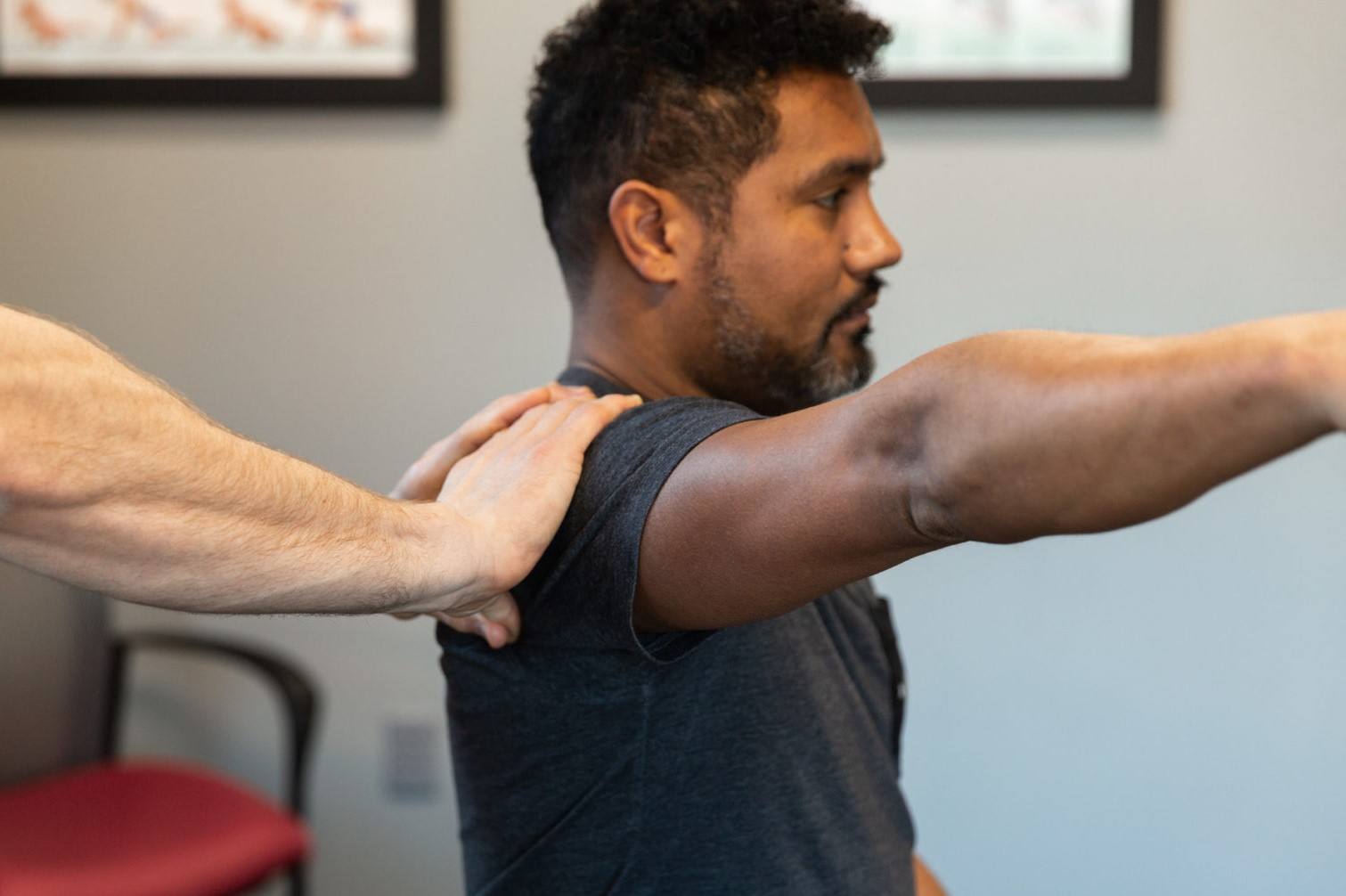
Soft tissue manipulation works by reducing mechanical restrictions in muscles and fascia that limit normal movement. By applying precise pressure and mobilization to the specific tissues involved, we restore glide, reduce irritation, and improve how the joints and surrounding structures function.
Massage therapy is excellent for general relaxation and broad muscle tension, but soft tissue manipulation is different. It focuses on the exact tissues that are limiting movement or contributing to pain, and it is guided by a clinical assessment rather than a full‑body routine. Chiropractic care often does an excellent job mobilizing the spinal joints, and soft tissue manipulation complements that work by addressing the muscles and fascia that influence how those joints move.
Soft tissue work is effective because irritated muscle fibers can tighten enough to restrict their own circulation. When that happens, the tissue does not receive enough oxygen or nutrients, and metabolic waste begins to accumulate. Soft tissue manipulation helps restore normal blood flow by loosening the restricted fibers so fresh oxygen, glucose, and amino acids can reach the area. As circulation improves, the tissue begins to heal. Tight fibers often return at first, but with repeated treatment the overall health of the tissue changes because the muscle finally has the conditions it needs to recover. Once the soft tissues move normally, corrective exercise becomes more effective and the improvements last longer. When both the joints and the surrounding soft tissues are treated, patients typically see more durable improvements in mobility and comfort.
Techniques Used
- Active Release Technique (ART)
- Trigger point pressure therapy
- Instrument assisted soft tissue work
- Stretching and positional release
- Proprioceptive Neuromuscular Facilitation (PNF)
- Arthrostim/G5 Percussion
What to Expect During Treatment
Soft tissue manipulation begins with a focused assessment of the muscles involved. The specific fibers that are tight or irritated are identified, and their behavior is tested during movement. Treatment typically involves applying steady pressure to the restricted area while the patient performs a simple motion, which helps the tissue lengthen and regain normal glide.
The applied pressure might elicit tenderness in the involved muscles, but it should remain tolerable and have the quality of a productive, good hurt. Some people feel mild soreness later that day or the next day, which is normal as the tissue begins to recover. If needed, the pressure can always be reduced, and if the treatment becomes too painful we stop immediately. You are in control throughout the session, and the treatment is adjusted based on your comfort and response.
Why We Use It
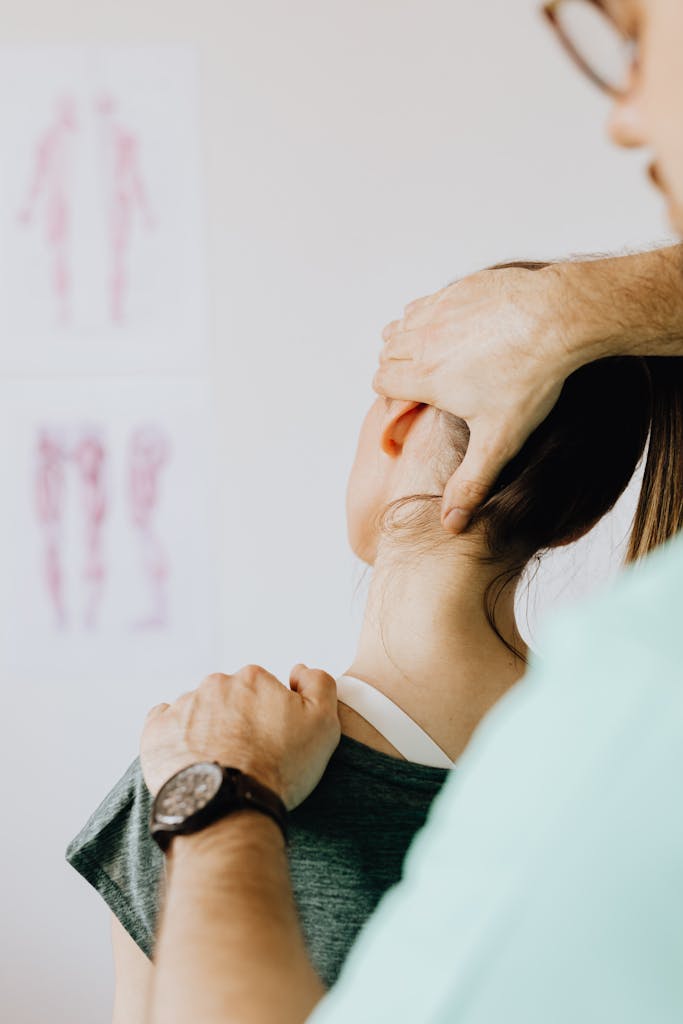
Soft tissue manipulation is one of the most effective ways to restore normal movement and reduce irritation in the tissues that support the joints. It allows chiropractic adjustments and corrective exercise to work more efficiently, and it helps patients see faster and more durable improvements. If you are in the Brownsburg area and ready to address the underlying soft‑tissue restrictions contributing to your pain, then schedule an appointment and begin restoring normal movement.